The Most Expensive Career Mistake Students Make After Class 12
Every year, millions of students in India complete Class 12 and face one of the most important decisions of their lives: what to study next. For many families, the path appears straightforward. Choose a popular degree, enrol in a college, complete three or four years of study and step into a career.
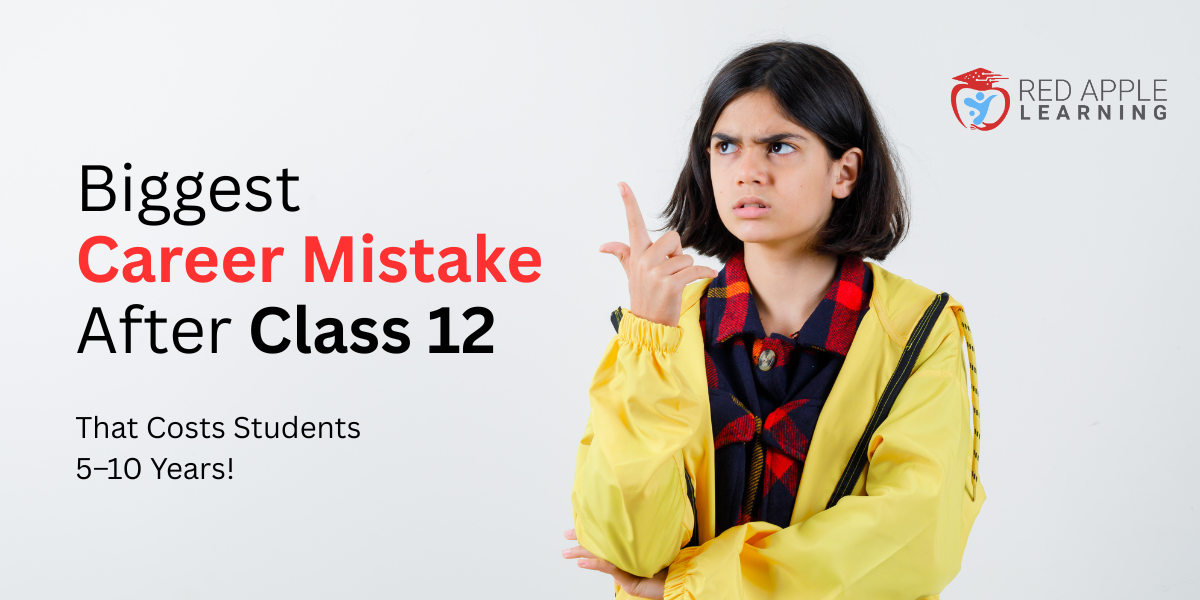
Unfortunately, reality does not always follow this script. The most expensive career mistake students often make after Class 12 is choosing a degree without understanding how it connects to real-world skills and employability. This mistake is rarely intentional. In fact, it usually begins with good intentions.
Parents want stability for their children. Students want respectable careers. Colleges promise professional education. But somewhere between classrooms, examinations and graduation ceremonies, a gap begins to appear.
That gap is between academic knowledge and practical capability.
When Education Becomes Too Theoretical
Many traditional degree programs are designed around theoretical learning. Students attend lectures, prepare for exams, write assignments and eventually earn their degree certificates. On paper, the system appears structured and disciplined.
However, when graduates step into the job market, employers are often looking for something very different. Companies want individuals who can solve problems, use modern tools, collaborate with teams and adapt to real industry environments.
This is where many graduates face an uncomfortable realization: despite years of study, they may not yet possess the hands-on skills required by employers.
As a result, some graduates spend additional monthsor even yearstrying to bridge the gap between what they studied and what the industry actually needs.
The Financial and Emotional Cost
This disconnect carries real consequences.
Families often invest several lakhs of rupees in higher education. Students dedicate years of effort with the expectation that their degree will translate directly into meaningful career opportunities.
When that transition becomes difficult, the cost is not only financial. It can also affect confidence, motivation and long-term career direction.
Some graduates accept low-payingentry-level jobs simply to gain practical exposure, while others begin searching for additional training programs to acquire industry-relevant skills.
In many cases, the realization arrives only after graduation.
A Smarter Way to Think About Education
The goal of education should never be limited to earning a certificate. Its true purpose is to prepare individuals for meaningful contribution in the real world. This means that students should evaluate learning opportunities not only by the name of a degree but by the skills, experiences and mindset they will develop during the journey.
Before committing to any program, students and parents may find it helpful to ask a few simple but powerful questions:
- Is it for decorative Degree/ skill/ AI resilience?
- If it is for skill, how can the offered courses resist AI challenge?
- If they claim for AI resilience- ask for quantified evidence or road map to substantiate the claims.
- Will students graduate with practical projects and real-world experience?
- Does the program help build a portfolio of work, not just theoretical knowledge?
- Are students exposed to modern industry tools and workflows?
- Does the learning environment encourage critical thinking and adaptability?
- Will this program help me build real-world skills or just a decorative degree?
- Will I graduate with a portfolio of practical work or just an institutional certificate?
- Will I learn how to think critically and adapt to new technologies?
- Am I going to become a replaceable AI assisted skilled resource or a skilltelligent resource to reach organizational leadership roles?
- Will the learning environment encourage me to identify my Adaptive Intelligence and encourage my thinking skillsor just a routine student learning a routine curriculum?
The answers to these questions often determine whether education becomes a launchpad for a careeror simply a step in a longer journey of trial and correction.
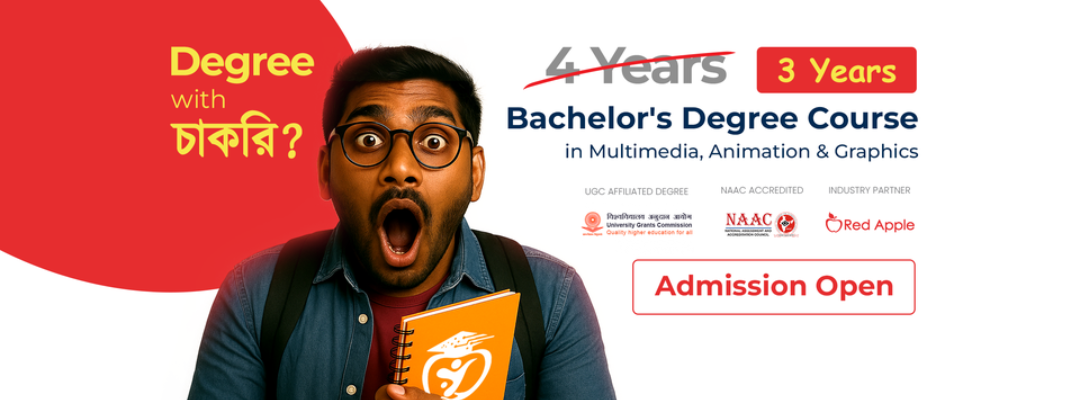
While the challenges of traditional education systems are widely discussed today, they also highlight an important opportunity. Students who actively seek practical learning, industry exposure and adaptive thinking skillscan position themselves far ahead of the curve.
In a world shaped by technology, artificial intelligence and rapidly evolving industries, success is increasingly defined by what you can build, solve and contributenot just what you have studied.
Choosing the right learning path after Class 12 is therefore not just an academic decision.
It is a strategic investment in the future. And sometimes, avoiding one costly mistake early in the journey can make all the difference in shaping a fulfilling and successful career.
Traditional degree programs have long rewarded memory and theoretical knowledge. While foundational knowledge remains important, relying solely on theory often makes it difficult for graduates to transition smoothly into the workforce. Many students discover too late that academic excellence alone does not always translate into industry readiness.
Recognizing this growing gap between education and employability, the Government of Indiahas recently introduced vocational degree programsdesigned to equip students with practical, real-world skillsthat align more closely with industry requirements. These programs emphasize hands-on learning, enabling students to graduate with competencies that are immediately relevant to the professional environment.
Building on this vision, Red Apple Learninghas further strengthened the vocational education model by integrating real industry mentorship from Red Apple Technologies, East Indias largest game and app development company.
In addition to practical technical training, students benefit from a unique ecosystem designed to prepare them for the complexities of modern careers. At the heart of this ecosystem is Quantified Placement Intelligence (QPi)a structured framework that goes beyond conventional skill training.
Through QPi, students participate in a wide range of value-added learning experiences, including sessions on metacognition, financial literacy, emotional intelligence, communication, and adaptive thinking. Workshops, mentorship programs, seminars, and industry interactions help students develop not only professional competence but also the mindset required to navigate an increasingly unpredictable and AI-driven world.
This holistic approach ensures that students are not merely trained to perform tasks, but are prepared to become resilient, thoughtful, and future-ready professionals.
Today, this integrated model remains unique and exclusive to students of Red Apple Learning, offering them an educational experience that combines academic learning, industry mentorship, and personal development in a way that traditional programs rarely achieve.
The Author
Related Blogs
Discover more stories & insights that inspire
Animation and VFX are no longer limited to cartoons and movies only. Today, these skills are widely used in: Because of this growing demand, many students after Higher Secondary are...
One thing is really commendable… you chose a professional degree instead of going for a completely theory-based traditional degree. After Class 12, many students pick degrees like BA, BCom, or BSc...
Best Degree After 10+2 After completion of our 10+2, we usually stumble upon the most traditional degrees like BA/ BSc/ BBA and many more. But the one big question which we forget to...
Is your Child Choosing a Right Degree After 10+2? You always tell your child, “Our days are gone, you have to study hard in this competitive market so that you...